
Wilders Wagyu Taste Test
100% Fullblood Wagyu Genetics Put to the Test
At Wilders Wagyu, we spend a lot of time talking about 100% Fullblood Wagyu genetics, carcass data, maternal traits, growth performance, and long-term breeding strategy. But none of that means anything if the final product doesn’t deliver.
So we decided to put our beef to the test.
Earlier this year, we culled an Arubial United–sired heifer from our developing heifer herd. She was 21 months old and had been raised on a basic grower TMR ration on the farm — no extended days on feed and no full finishing ration. When we received her ribeye photos from the processor, the marbling and overall carcass quality looked better than we expected.
It made us pause. Would the eating experience match what we were seeing on paper and in the cooler?
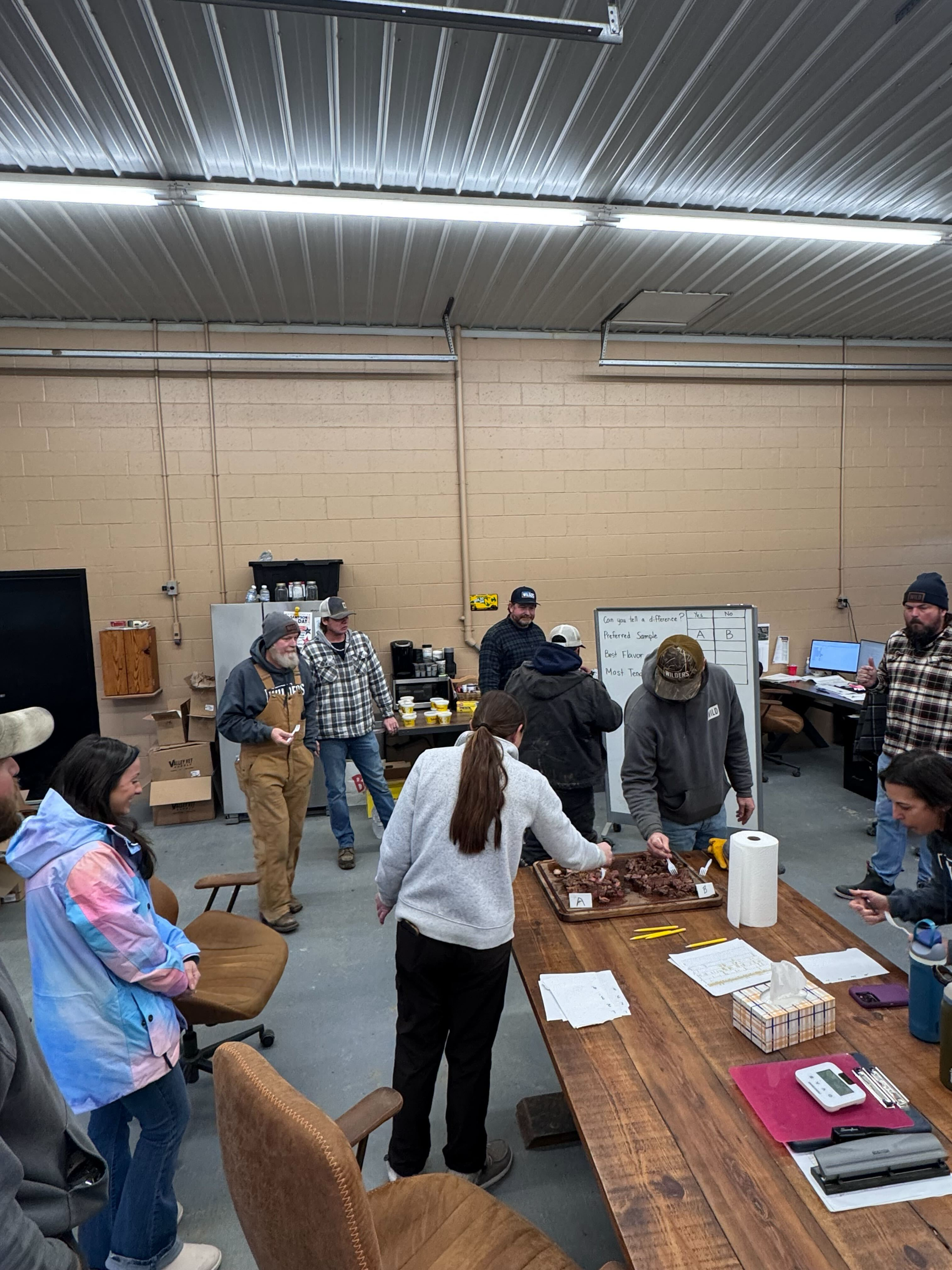
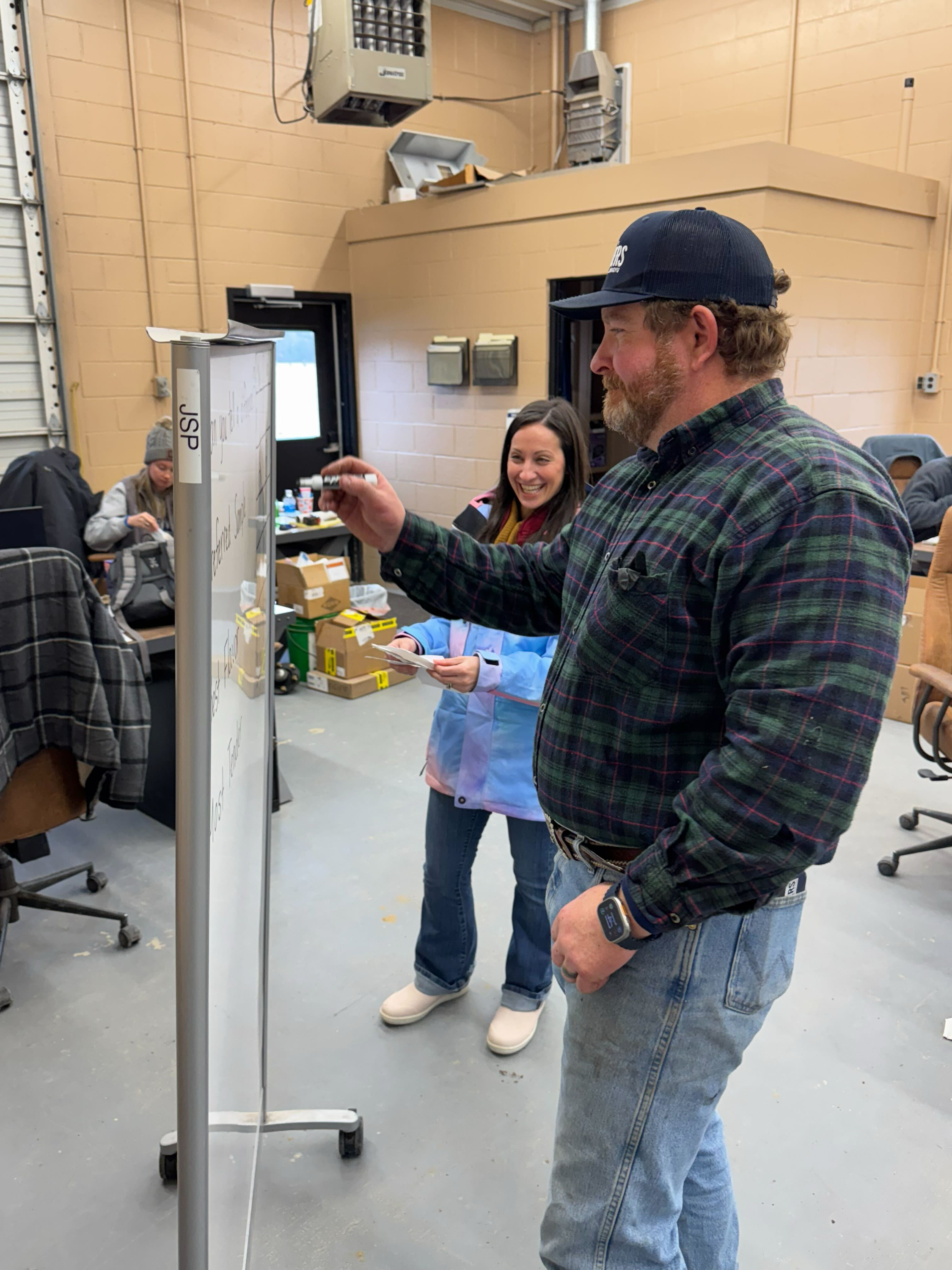
Rather than speculate, we conducted a blind Wagyu steak taste test with our farm team.
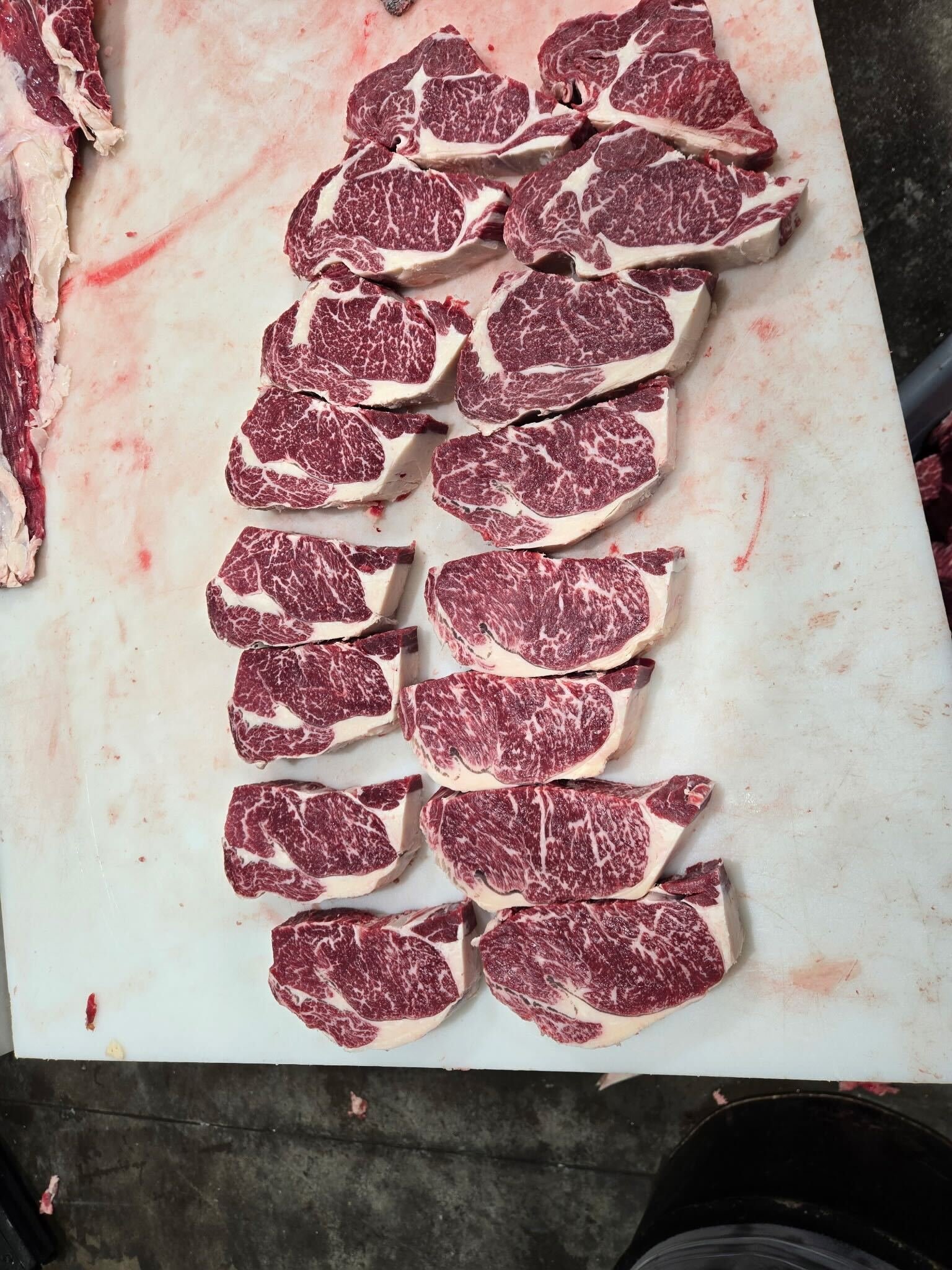
The Contenders
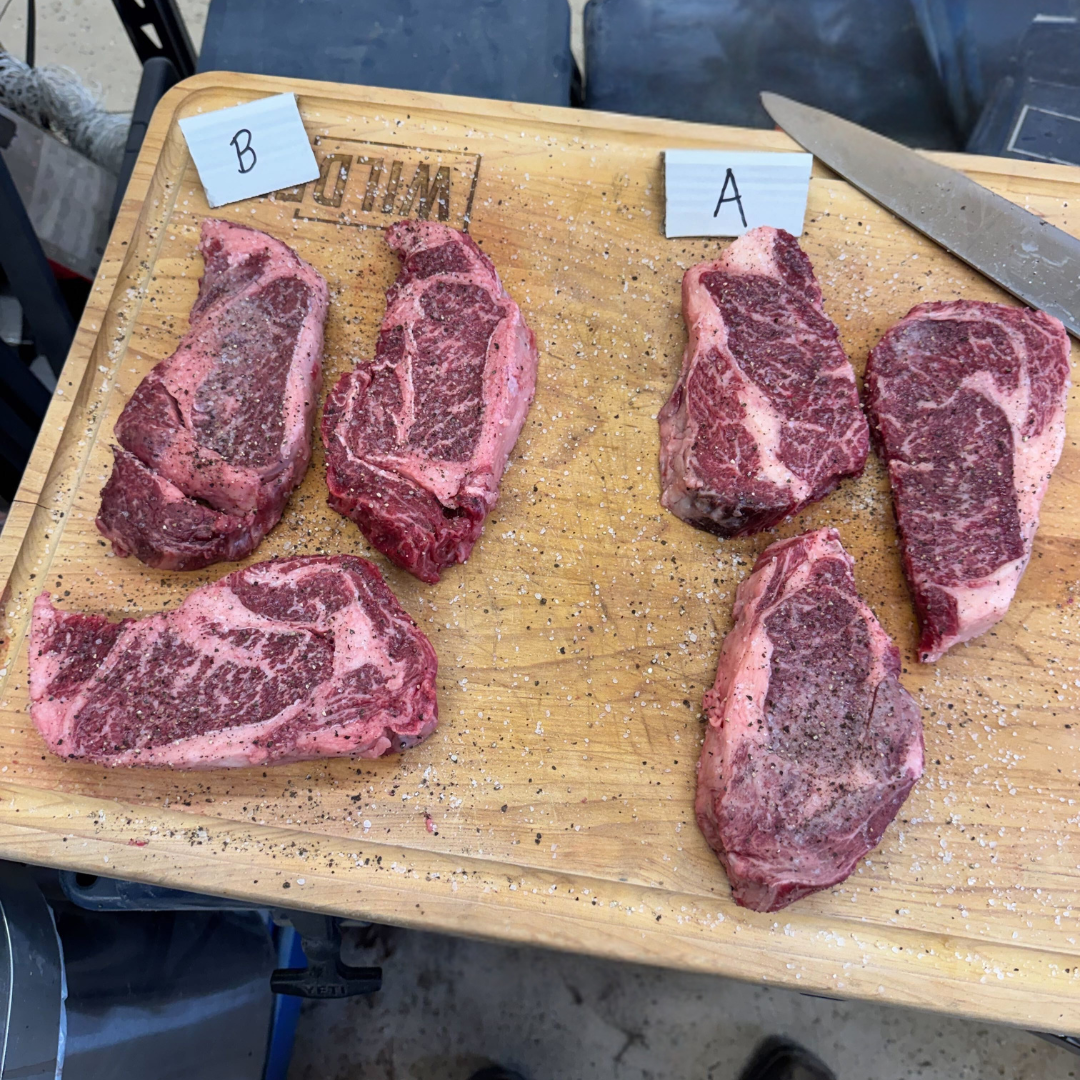
We pulled ribeyes from two different carcasses:
Sample A
United-sired heifer
21 months old
Raised on a basic grower TMR (no finisher ration)
Sample B
World K’s Yasufuku Jr–sired steer
30 months old
Finished on a full finisher ration
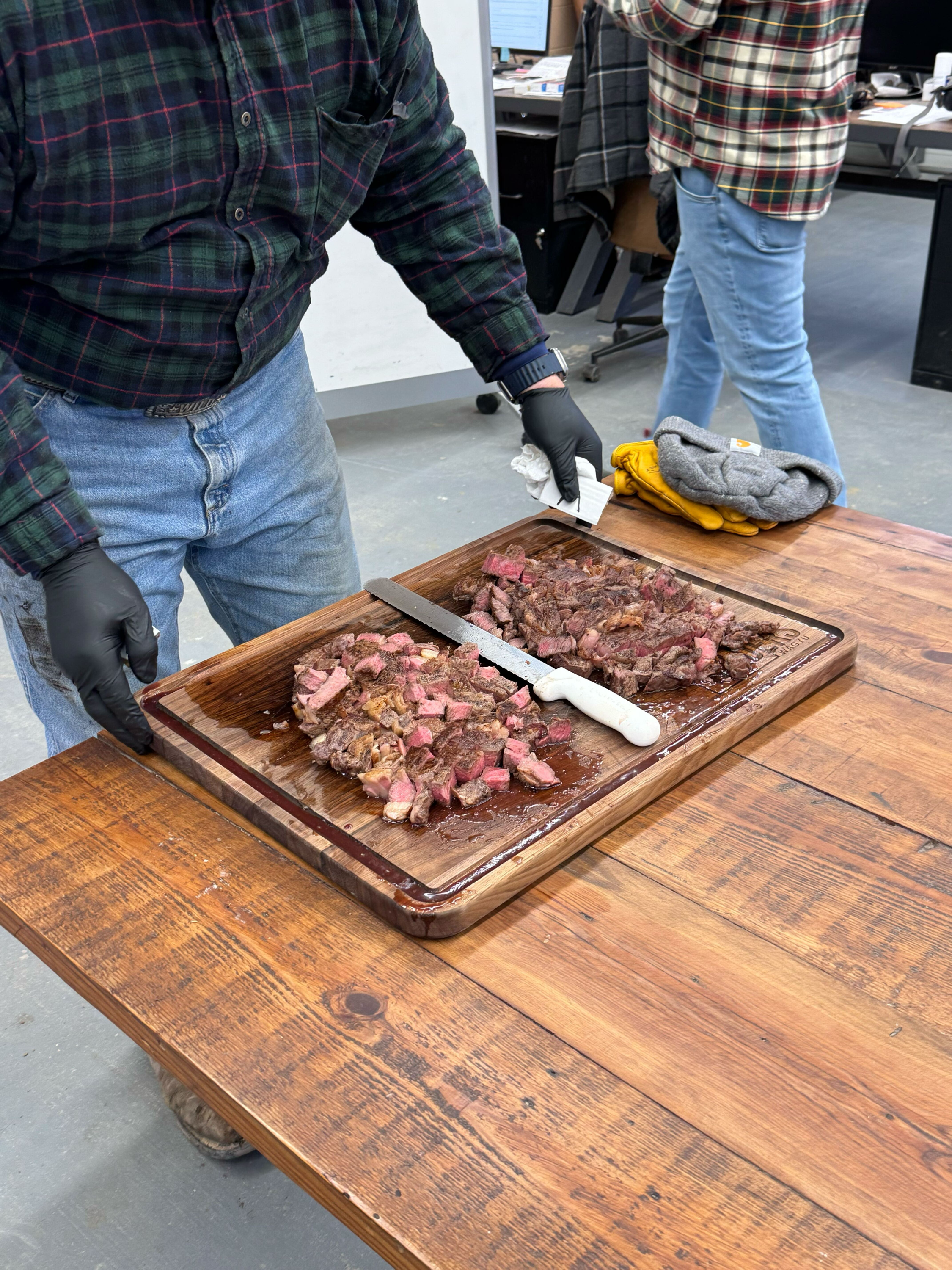
Both steaks were cooked the same. Salt and pepper only, same cooking method, same temperature, same rest time. No labels, no breed information shared, and no leading context.
We served both samples blind and asked four straightforward questions:
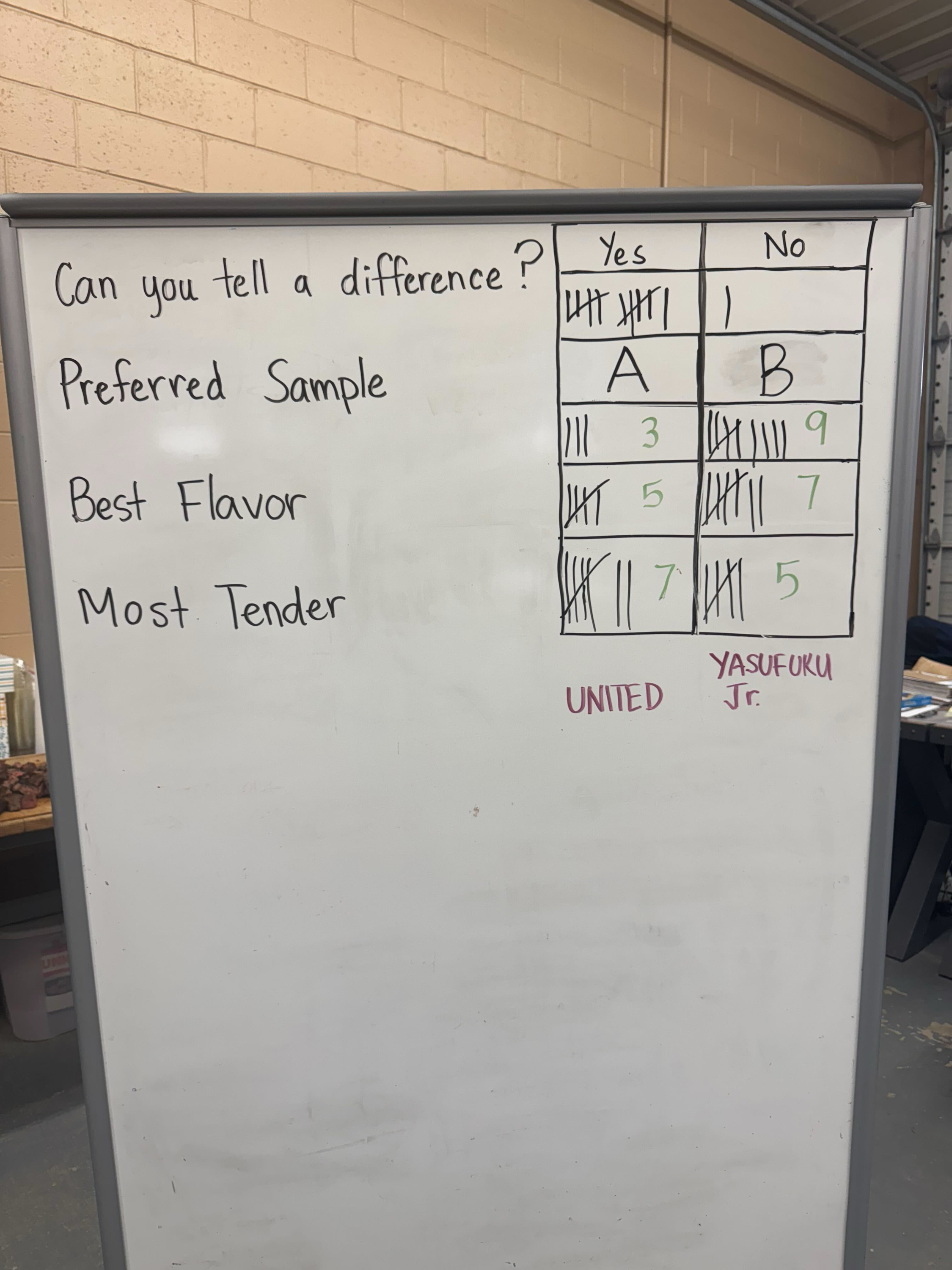
Can you tell a difference?
Which sample do you prefer?
Which sample has the best flavor?
Which sample is the most tender?
No right answers or expectations. Just honest feedback from the people who handle our Fullblood Wagyu cattle, study carcass data, and work in this program every day.
What the Results Showed
The team could clearly tell a difference between the two steaks.
When it came to overall preference and flavor, Sample B — the longer-fed Yasufuku Jr–sired steer — took the majority vote. That result aligned with what we often see in Wagyu beef production: additional days on feed and a full finishing ration can deepen flavor and richness.
However, the most tender sample?
Sample A — the 21-month-old United-sired heifer.
That result stood out.
For a younger animal raised without a finishing ration, the tenderness and overall eating experience performed better than we anticipated. Both steaks were consistently described as very good, but the United-influenced carcass proved it could compete.
Why This Matters for U.S. Wagyu Beef Production
In our breeding program, we’ve consistently observed that United-influenced cattle demonstrate:
Higher birth weights
Stronger weaning weights
Improved milk
Increased average daily gain (ADG)
Efficient growth performance
Those maternal and growth traits are measurable. They show up in WBVs, herd performance records, and day-to-day management.
What this taste test suggests is that growth and maternal strength do not have to come at the expense of eating quality in 100% Fullblood Wagyu beef.
If United-influenced cattle continue to show strong carcass merit, acceptable marbling, and desirable tenderness without requiring extended feeding periods, that points toward a more balanced and potentially more profitable direction for Wagyu producers in the United States.
Efficiency matters. Carcass merit matters. Eating quality matters.
Genetics, Data, and the Next Generation
This is exactly why we remain focused on disciplined genetic selection. We evaluate:
Carcass weight
Ribeye area
Digital Marbling Percentage (dMP)
Growth traits
Maternal performance
Structural integrity
And yes, real-world eating experience.
It’s also why we’re excited about next-generation Arubial United sires like WILD Navigator 28M, in partnership with Genesis Enterprises. Our direction is clear: continue stacking maternal strength and growth performance while protecting what makes Fullblood Wagyu beef exceptional: marbling, tenderness, and flavor.
At the end of the day, no matter if it’s EBVs or WBVs, carcass data is king.
This wasn’t about proving one animal “won.” It was about asking the right questions and letting real results guide our breeding decisions.
That’s how we build a sustainable Wagyu herd.
That’s how we protect eating quality.
That’s how we stay disciplined in our direction.
And we’re just getting started. #StayWILD